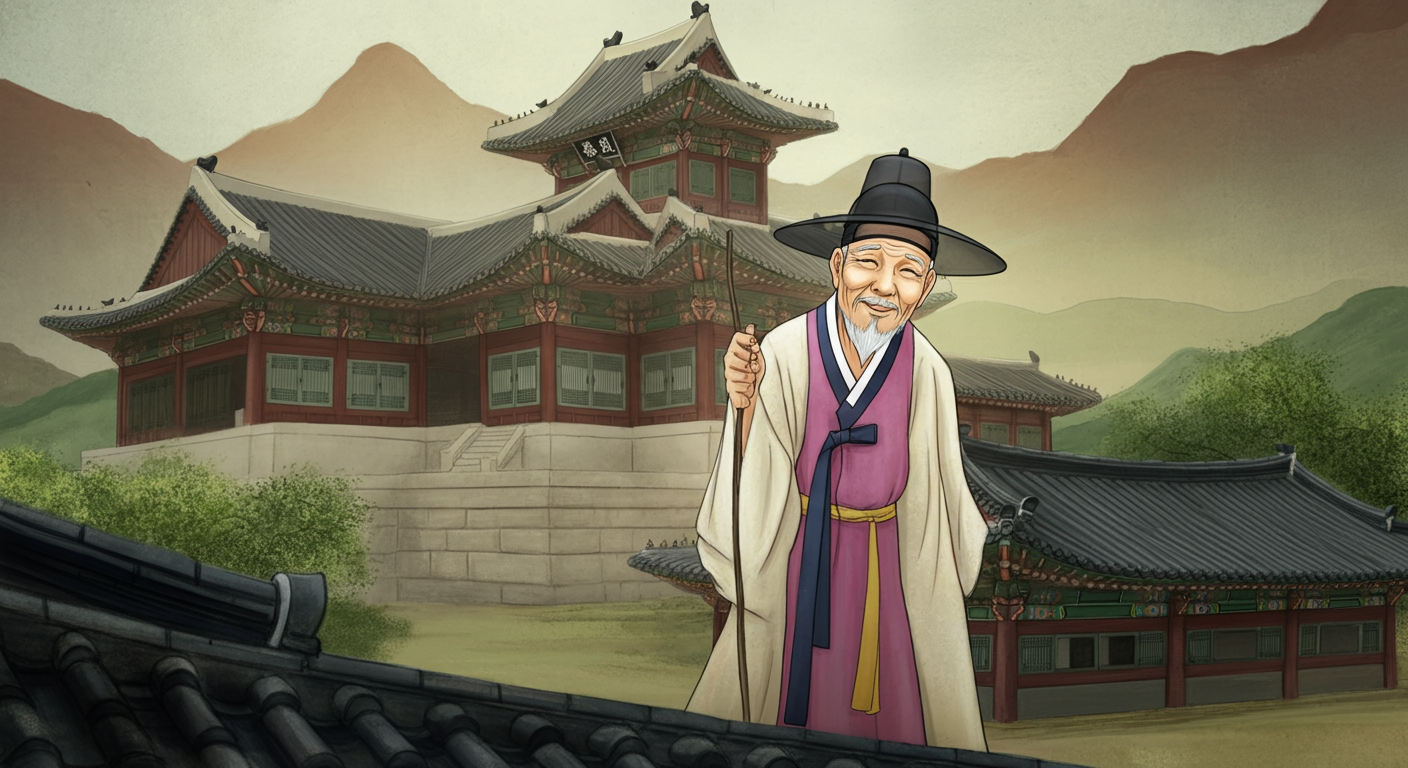
Have you ever heard the captivating tale of the **Hunchbacked old man (혹부리 영감)**, a classic Korean fairytale that holds timeless lessons about greed and fate? As someone who grew up with these enchanting stories, I can tell you that few tales capture the imagination and offer such profound wisdom as the story of 혹부리 영감. It’s a narrative that goes far beyond a simple moral, diving deep into the human psyche and questioning the very nature of desire.
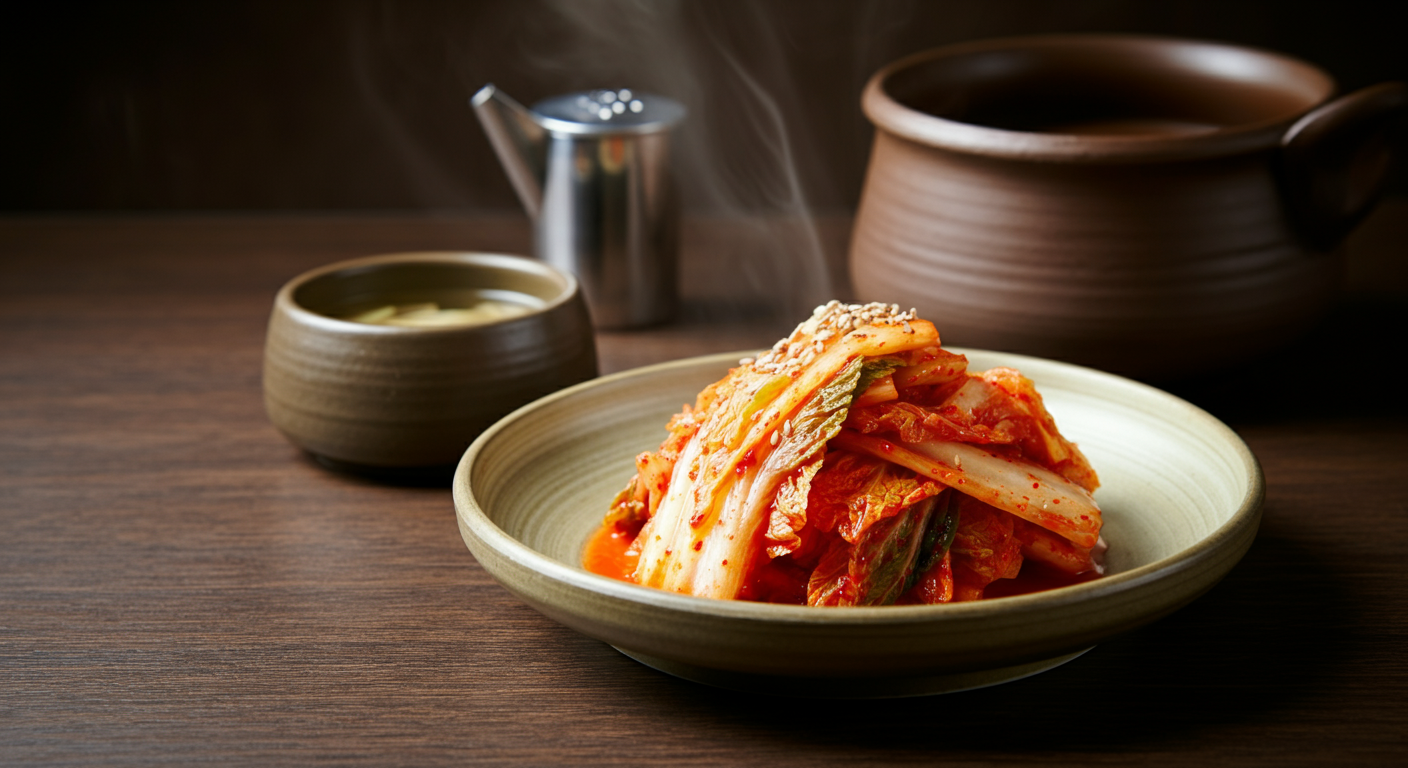
Get ready, K-drama addicts and K-pop stans! Today, we’re diving deep into the vibrant, spicy, and utterly essential world of Kimchi (김치). If you’ve ever watched a Korean show, you’ve seen it; if you’ve ever tried Korean food, you’ve tasted it; and if you’ve ever found yourself utterly captivated by Korean culture, you know it’s everywhere. But what *is* Kimchi (김치), really? It’s more than just a side dish; it’s a fermented symphony of flavors, a culinary cornerstone, and a symbol of Korean heritage that tells a story with every fiery bite.
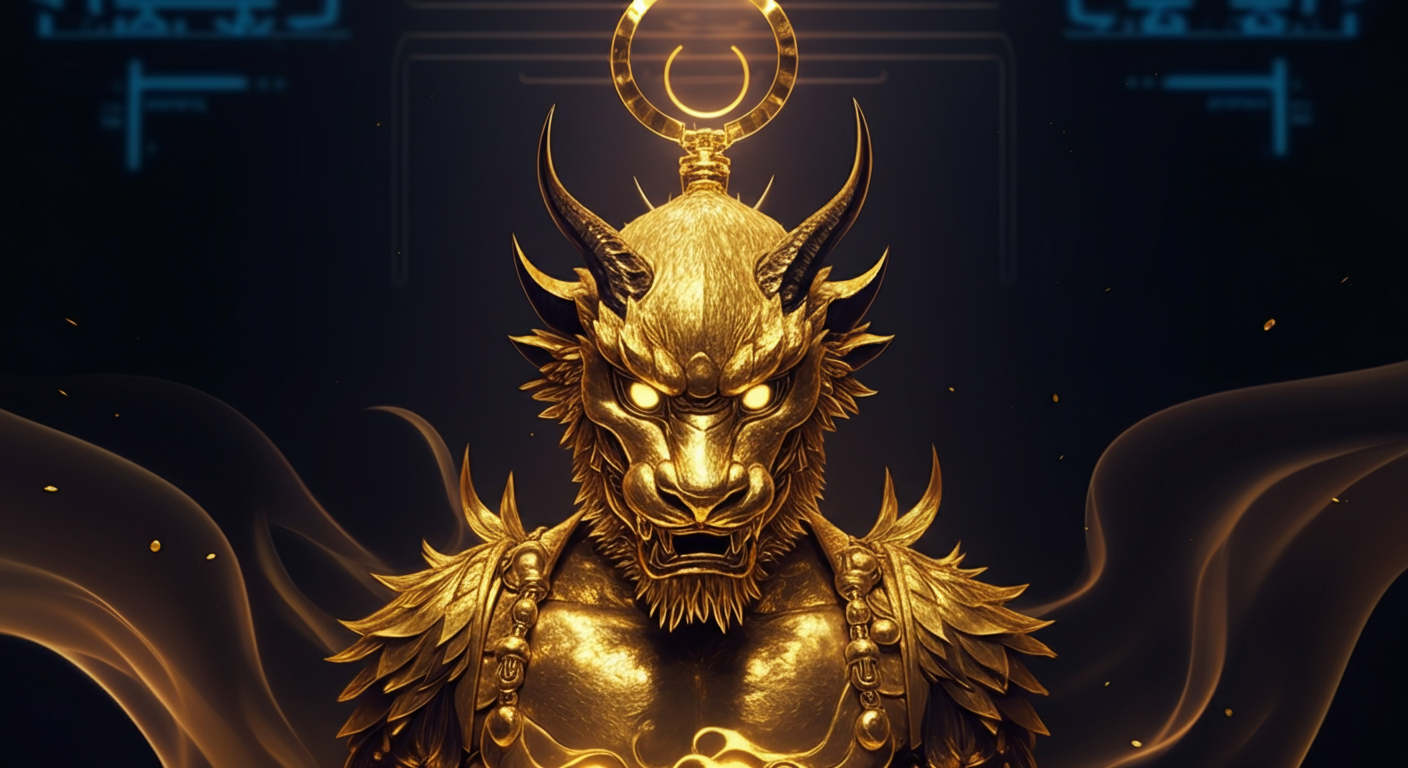
If you’re wondering why I’ve been emotionally unavailable lately, why my reply times have plummeted, and why my Spotify Wrapped was a chaotic blend of epic orchestral scores and heart-thumping K-pop tracks, it’s all thanks to one phenomenal obsession: K-pop Demon Hunters and Golden (케데헌 그리고 골든). Trust me, I know what you’re thinking. “Another K-drama?” But this isn’t just *another* K-drama; it’s a genre-bending, culture-weaving, soul-capturing phenomenon that has completely hijacked my brain and, frankly, my entire cultural sensibility. As someone who lives and breathes K-culture, from its ancient traditions to the latest K-pop comeback, I thought I was immune to this level of intense immersion. Boy, was I wrong.
It was 2 AM, the blue light of my screen illuminating a trail of tears down my face as the final notes of Golden (골든) faded. If you’re a K-drama fan, you know exactly what I’m talking about. That raw, gut-wrenching moment when the perfect song meets the perfect scene, and suddenly, you’re not just watching a story unfold – you’re living it. For me, that song is Golden, an OST that isn’t just climbing Billboard charts; it’s permanently carved itself into the deepest corners of my emotional landscape. Trust me, it became my Roman Empire, a thought I revisit constantly, wondering how something so exquisitely crafted can hold so much power over my feelings. I’ve replayed that scene, the one with the bittersweet farewell, countless times, each listen to Golden tearing at my heartstrings as if it were the very first. It’s more than just a song; it’s a cultural phenomenon, a masterclass in emotional storytelling that only Korean dramas and their phenomenal soundtracks can deliver. From the melancholic piano intro to the soaring vocals, every element of Golden is designed to resonate deeply, evoking a powerful mix of emotions that transcends language barriers.
Welcome, fellow K-culture enthusiasts! If you’re anything like me, your journey into the captivating world of K-Drama (한국 드라마) probably started innocently enough. Maybe it was just “one more episode,” or “I’ll just check out this trending show.” But let’s be honest, it wasn’t long before that casual curiosity morphed into a full-blown, life-altering obsession, right? It’s like a contractual relationship, isn’t it? We start with a “fake marriage” to a new K-Drama – pretending we’re not totally invested, just casually enjoying the plot. Then, before we know it, we’re rearranging our entire lives around episode drops, sacrificing sleep, and experiencing emotional whiplash that only a beautifully crafted Korean drama can deliver. Trust me on this, I’ve lived through it more times than I can count!
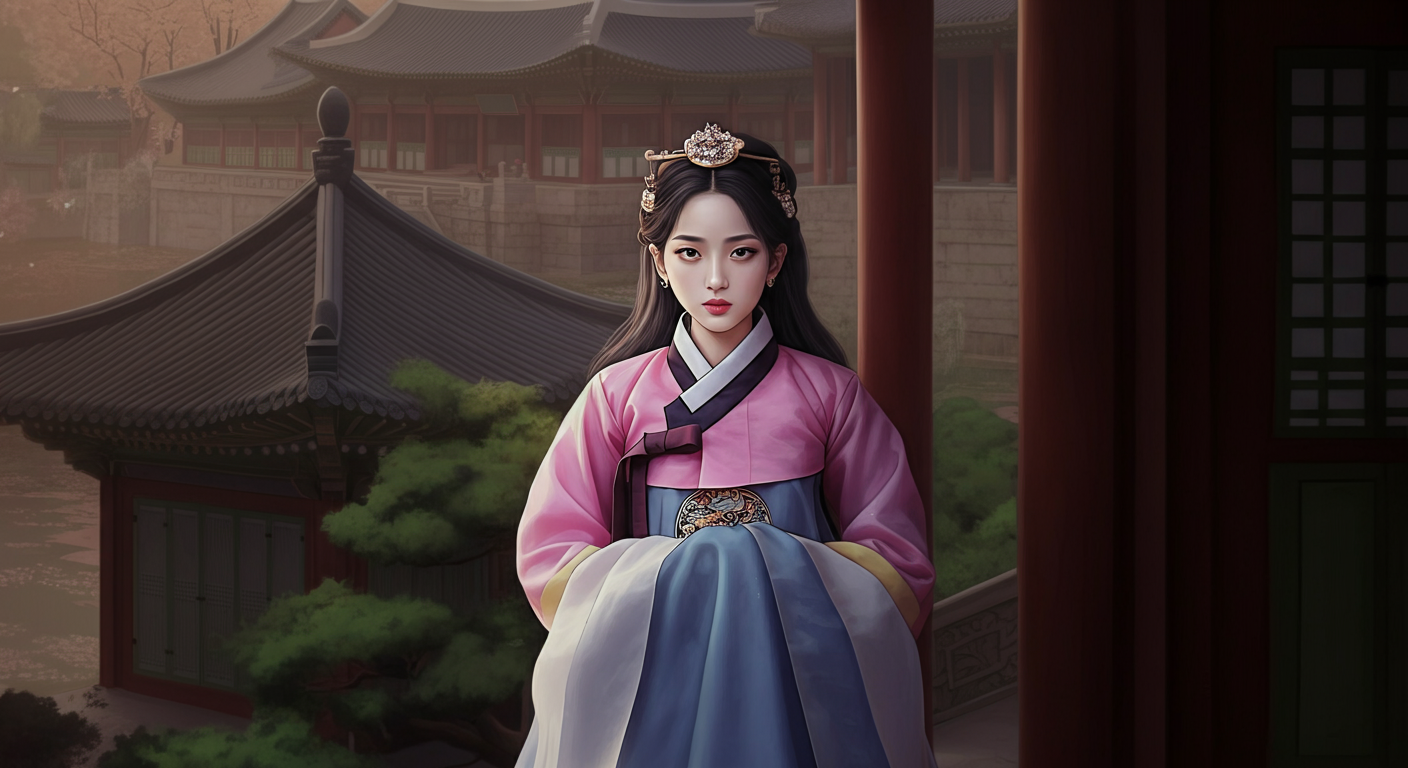
Get ready to dive deep into a legendary tale that feels like it could be the next smash-hit K-drama because today, we’re exploring the incredible story of **The Abandoned Princess Bari** (바리데기 공주), a foundational Korean myth that resonates with so many aspects of modern Korean life and popular culture, from K-pop idols to strong female leads. Trust me on this, once you hear her story, you’ll understand why she’s one of Korea’s most beloved, albeit tragic, heroines, embodying an unyielding spirit that has shaped the very fabric of our collective consciousness. Growing up, stories like Bari’s were more than just bedtime tales; they were lessons in resilience, devotion, and the profound concept of ‘han’ (한), a deep-seated grief that eventually fuels an incredible will to overcome.
K-pop Demon Hunters: The Global Sensation Igniting a New Hallyu Wave
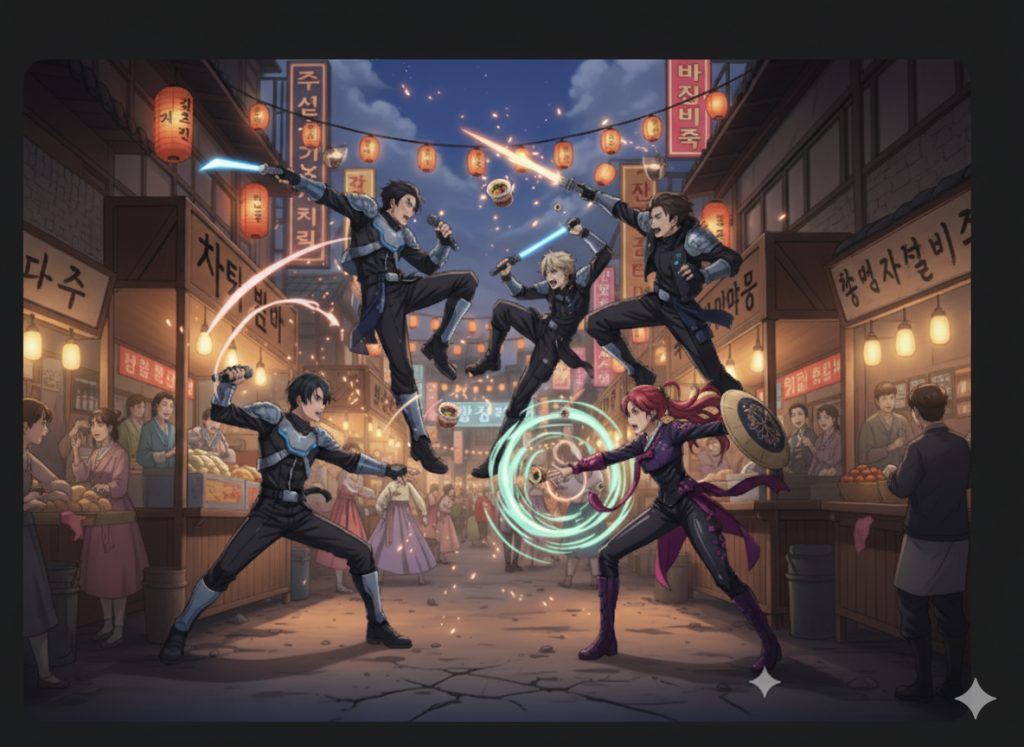
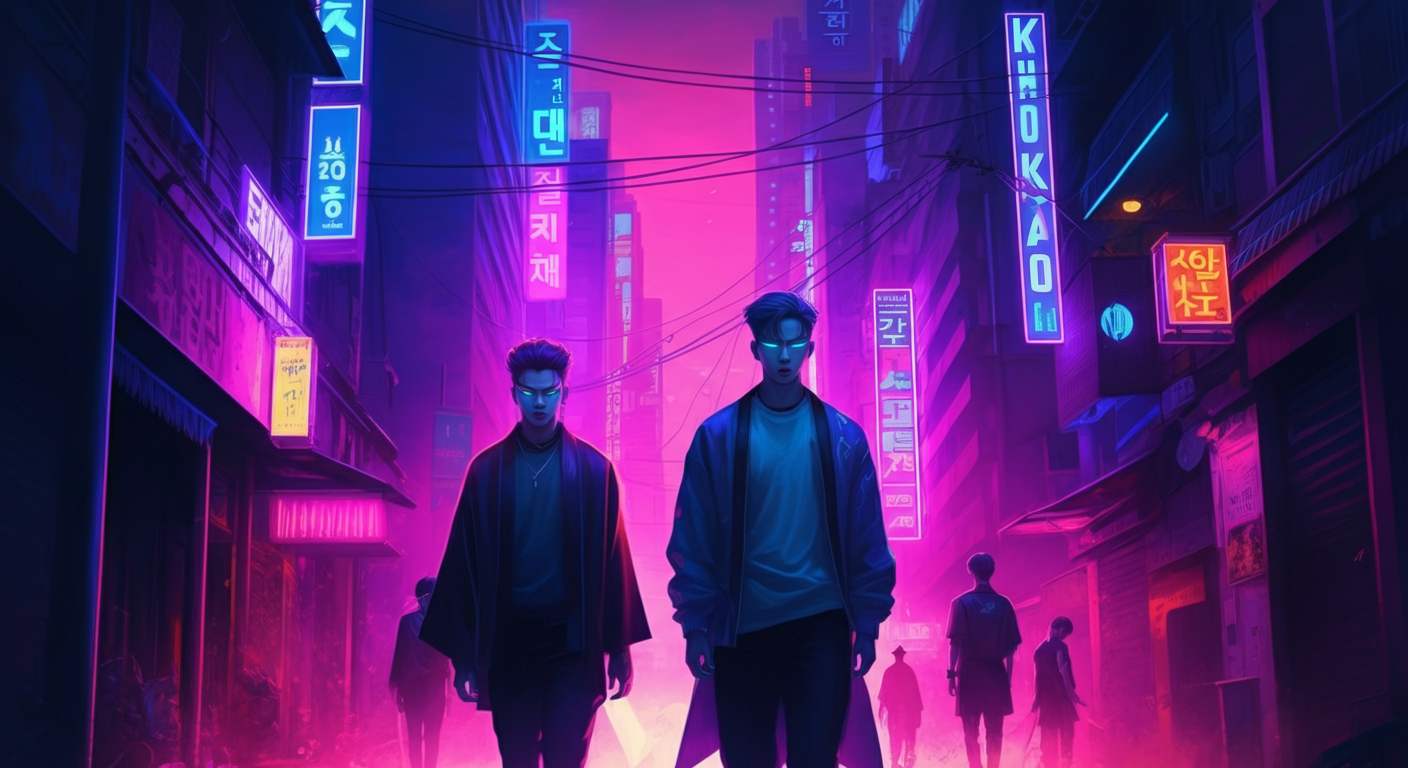
Have you heard about **K-pop Demon Hunters** (케데헌)? If not, get ready, because this groundbreaking animated series is not just another viral hit; it’s a fascinating cultural phenomenon that began its journey overseas and is now making a triumphant return to Korea, setting a whole new precedent for the **Korean Wave (한류)**. As someone who has watched Korean culture evolve and sweep across the globe, this unique “reverse inflow” (역유입) of popularity is truly something special, and I’m so excited to dive into what makes this particular blend of K-pop and traditional lore so captivating.
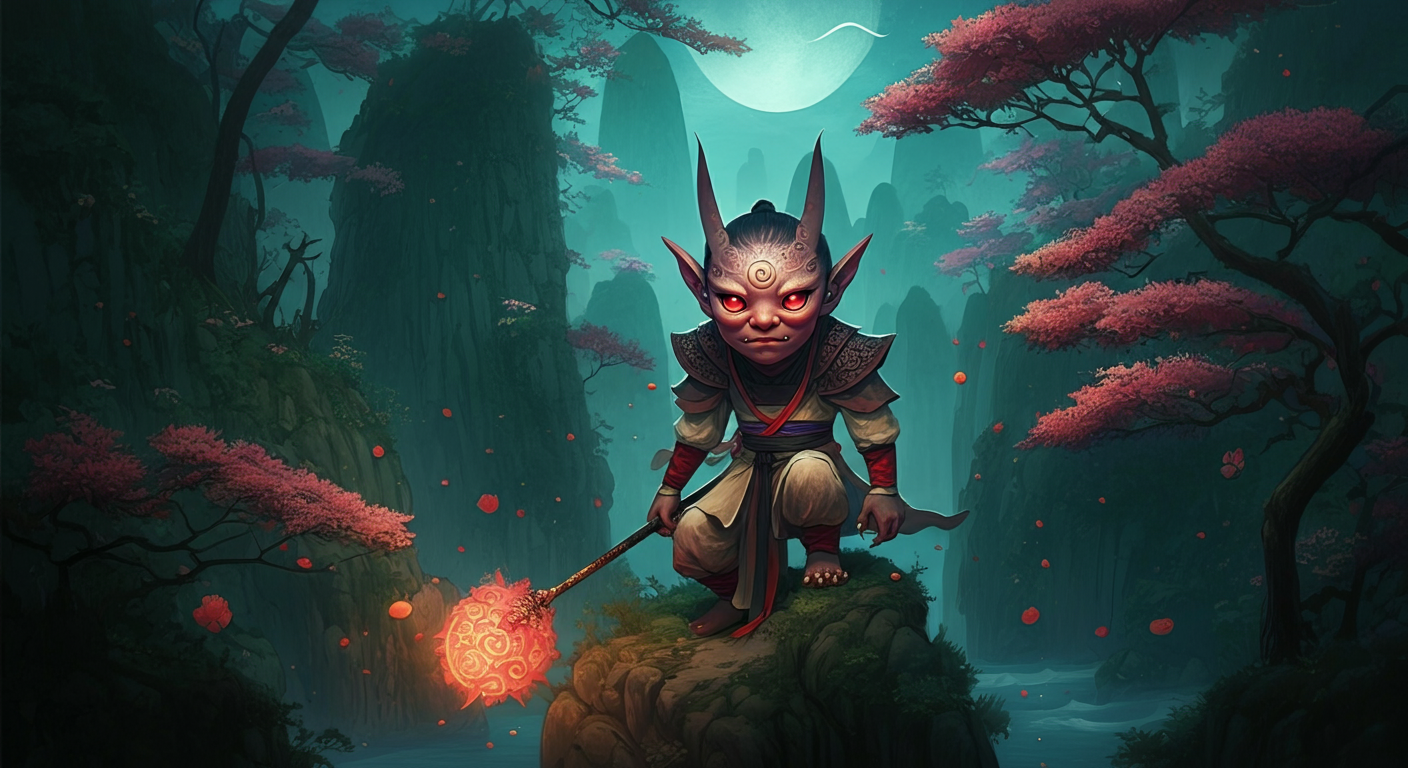
Welcome, K-VIBE fam! Are you ready to dive deep into the fascinating world of Korean mythology? If you’ve ever found yourself captivated by a supernatural love story in a K-drama or thrilled by the thought of mystical beings, then you absolutely need to meet the **Dokkaebi (도깨비)**. These iconic Korean mythical creatures are not your typical Western ghosts or demons. Oh no, they are far more complex, intriguing, and dare I say, *human-like*.
K-pop Demon Hunters (케이팝 데몬 헌터스): Where Idols Battle Evil and Culture Comes Alive
If you’ve ever dreamt of K-pop idols wielding ancient powers to fight supernatural forces, then Netflix’s latest animated sensation, K-pop Demon Hunters (케이팝 데몬 헌터스), is probably already on your radar. But beyond the thrilling action and catchy tunes, this show is a vibrant, fun-filled gateway into the heart of Korean culture, offering international audiences a delightful blend of the familiar and the uniquely Korean. Trust me on this: it’s more than just a cartoon; it’s a cultural love letter, wrapped in an idol fantasy.
Cup Noodle (컵라면): Korea’s Ultimate Soul Food and Comfort Companion
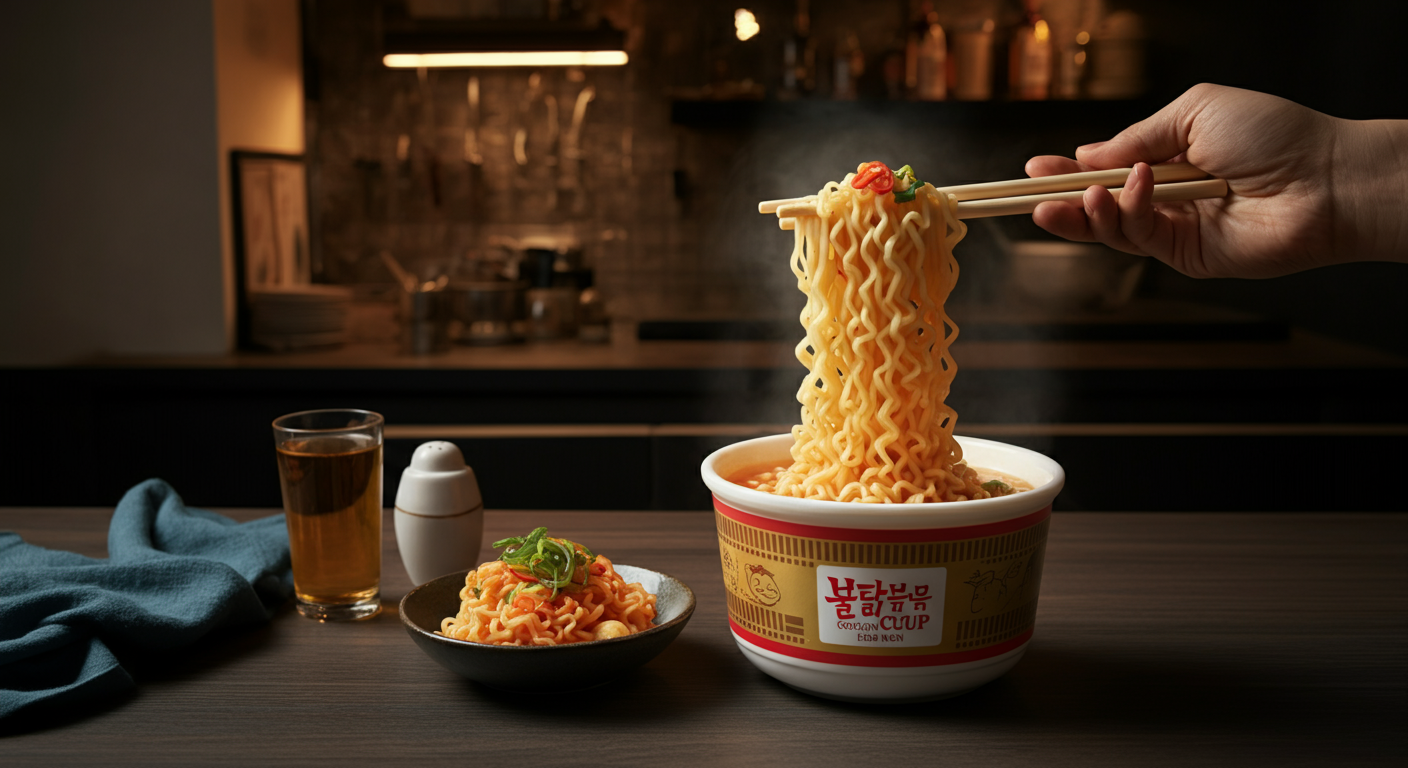
Have you ever wondered what truly fuels a K-pop idol during a late-night practice, or what a K-drama character reaches for when they need a quick, comforting meal? Often, it’s not a gourmet dish, but something much simpler, much more profound: the humble **Cup Noodle (컵라면)**. In Korea, this isn’t just a snack; it’s a cultural icon, a reliable friend, and, believe it or not, a powerful balm for the soul. Trust me on this, once you understand its place in Korean hearts, you’ll see **Cup Noodle (컵라면)** in a completely new light.